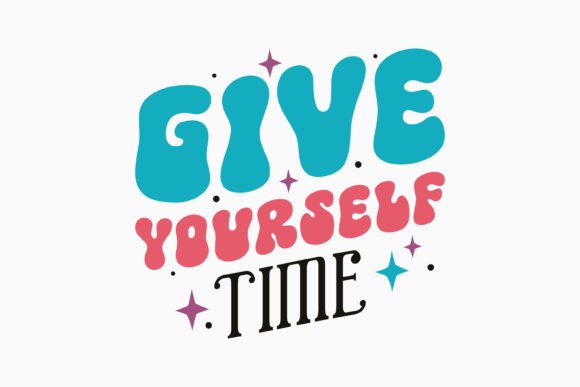
Retro Give Yourself Time Mental Health
As a designer who has stitched thousands of files for everything from boutique apparel to personalized baby gifts, I approach every new download with a mix of excitement and skepticism. The market is flooded with digital assets, but finding one that balances aesthetic charm with technical feasibility for real-world embroidery is rare. Recently, I pulled the Retro Give Yourself Time Mental Health design into my workflow to test its viability for a custom client project. My goal was simple: determine if this file could stand up to the rigors of machine embroidery while delivering the emotional resonance it promises.
The First Stitch Impression
When you first open the Retro Give Yourself Time Mental Health graphic, the mood is immediately established. It isn't just text; it is a visual breath of fresh air. The retro aesthetic suggests a vintage warmth that fits perfectly into the current trend of nostalgic, comforting home goods. Unlike many modern designs that rely on complex gradients or thin lines which often fail in stitching, this design feels substantial. It carries a personality that is both playful and serious, making it an ideal candidate for products meant to offer comfort.
In terms of layout, the typography is bold enough to be legible even when rendered in thread, yet the "retro" styling adds character without cluttering the visual field. For a crafter looking to create a handmade product, this design offers a strong foundation. It doesn't scream for attention so much as it invites the viewer to pause, which aligns perfectly with the mental health theme. It feels like something that belongs on a cozy sweatshirt or a well-loved tote bag rather than a high-fashion runway piece.
Real-World Application: A Case Study
To truly evaluate Retro Give Yourself Time Mental Health, I simulated a real production scenario. Imagine preparing a batch of custom embroidered aprons for a local coffee shop owner who wanted to gift her staff items that reminded them to slow down during busy shifts. This is where the design's versatility shines.
I placed the embroidery file on a mockup of a canvas apron. The contrast between the retro font and the sturdy fabric texture looked promising. Because the design allows for easy color changes, I tested it in a deep navy thread against the natural beige canvas. The result was striking. The visual appeal was elevated by the simplicity of the message. If this were a tote bag design, the placement would be equally effective, sitting comfortably on the front panel without overwhelming the user.
However, the true test is how it translates from screen to stitch. In this scenario, the design worked exceptionally well as a custom apparel element. The letterforms are distinct enough that they won't merge together during the stitching process, provided the correct density settings are used. For a small business owner selling these as small shop products, the design offers a professional finish that builds customer trust. It looks intentional and polished, not rushed or generic.
Technical Performance and Fabric Considerations
Not all fabrics play nice with every design, and Retro Give Yourself Time Mental Health is no exception to the laws of physics. While it excels on stable materials like cotton twill, denim, or heavy canvas, there are areas where caution is required. If you attempt to stitch this on highly textured fabrics like bouclé or very thin, stretchy knits without proper stabilization, the definition of the letters may suffer.
The design features elements that require careful attention to stitch density. On dark fabrics, the thread coverage needs to be robust to prevent the background color from showing through. Conversely, on light fabrics, the choice of thread colors becomes critical to maintain the retro vibe. I recommend testing the design on scrap fabric first to ensure the satin stitch edges lay flat and do not pucker. If you are working with a small hoop size, pay close attention to the corners of the letters; dense fill stitches can sometimes distort slightly in tight spaces.
For curved surfaces like caps or hats, the curvature of the garment might affect the readability of the text. While the design is adaptable, the perspective shift inherent in a cap brim requires precise digitizing adjustments. If the source file is an EPS or SVG (as indicated in the product details), you have the flexibility to adjust the curves before converting it to your machine format. Always inspect small details and confirm whether the design works for both personal and commercial projects before committing to a full run.
Strategic Use Cases for Makers and Sellers
This design is versatile enough to fit into a wide array of categories within the Crafts and Graphics sectors. Beyond the apron scenario, here is where Retro Give Yourself Time Mental Health truly finds its home:
- Baby Embroidery: The gentle, supportive message makes it perfect for nursery decor or baby blankets. The retro style pairs beautifully with soft pastels, creating a timeless look for a personalized gift.
- Holiday Embroidery: During stressful seasons, a design that encourages taking time is a hit. It works wonderfully on kitchen towels or pillow covers intended as holiday gifts.
- Commercial Embroidery: For Etsy sellers and craft fair vendors, this design offers high perceived value. It transforms a basic item into a statement piece, increasing buyer engagement and justifying a higher price point.
- Embroidered Patches: With clean lines and defined shapes, this design can be easily converted into an embroidered patch for jackets or bags, adding a layer of durability and style.
When used correctly, the design enhances brand consistency. Whether you are creating a boutique branding line or a series of design assets for digital previews, the cohesive look of Retro Give Yourself Time Mental Health helps establish a recognizable identity. It signals to the customer that you care about quality and meaning, not just mass production.
Practical Designer Notes for Execution
If you decide to incorporate this into your workflow, keep these practical tips in mind to ensure success. First, always review the stitch density in your digitizing software. If the fill is too heavy, it will create a stiff, uncomfortable spot on the garment. If it is too light, the texture of the fabric might show through, ruining the crispness of the retro look.
Check your hoop size relative to the design dimensions. A design that looks great on a large sweatshirt chest might lose detail if shrunk down for a baby onesie. When comparing light and dark fabric backgrounds, use black and white mockups to verify contrast levels before cutting thread. Ensure you use the proper stabilizer for the fabric weight; a tear-away stabilizer might be sufficient for a tote bag, but a cut-away might be necessary for a stretchy t-shirt to prevent distortion over time.
Finally, remember that the source file included (typically EPS or SVG) gives you control. You can manipulate the vector paths to adjust spacing or scale the design before converting it to a machine-specific format. This flexibility is crucial for adapting the design to various products, from kitchen towel embroidery to pillow cover accents.
In conclusion, Retro Give Yourself Time Mental Health is more than just a pretty image; it is a functional tool for creators. It bridges the gap between emotional messaging and technical execution. For designers, small business owners, and hobbyists alike, it offers a reliable path to creating meaningful, high-quality finished products. By understanding its strengths and respecting its limitations regarding fabric and hoop size, you can leverage this design to create items that resonate deeply with customers and stand the test of frequent washing and wear.